Files - InEvent Webinar
 Updated 1 month ago
by
Faisal Durrani
Updated 1 month ago
by
Faisal Durrani
With InEvent's Files feature, it is easy to share files with your webinar attendees, such as articles, catalogs, and presentations.
This article will guide you on how to upload, access, and delete files within your webinar.
Supported formats
The InEvent Files feature supports uploading of files in the formats listed below:
- Documents:
.CSV,.DOC,.DOCX,.PDF,.PPT,.PPTX,.XLSX - Video:
.3GP,.MOV,.MP4 - Images:
.GIF,.JPEG,.JPG,.PNG - Audio transcription files
Adding files
Webinar files: Uploading files to the Files tab
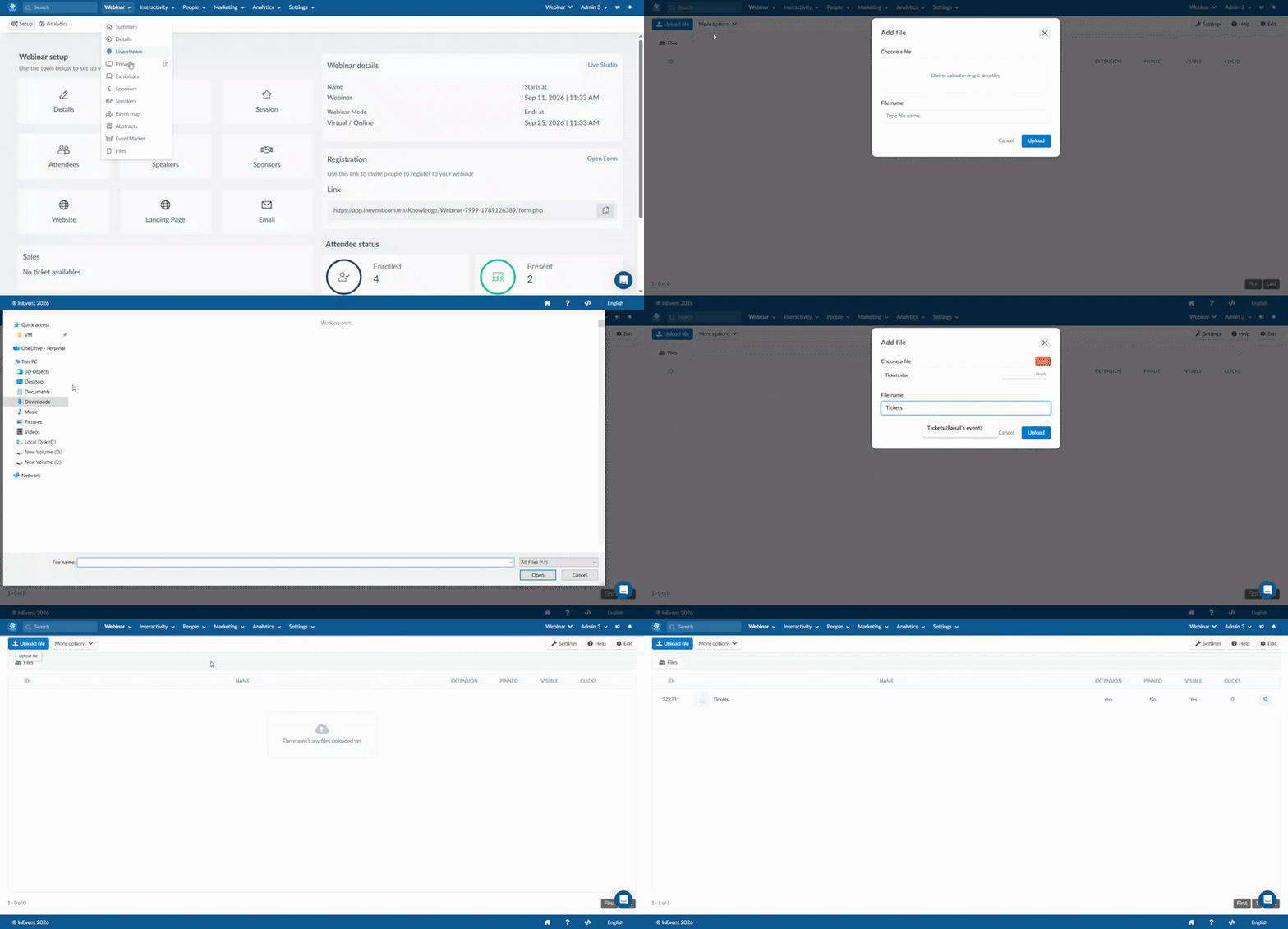
To upload a file to the Files tab of a webinar, complete the following steps:
- Navigate to Webinar > Files.
- Click Upload file in the top-left corner of the page to upload your file. A pop-up box will appear.
- In the upload window, choose one of the following methods:
- Click to upload to browse and select a file from your computer.
- Drag and drop the file into the upload area.
- After selecting the file, enter or edit the file name in the Name field.
- Click Upload to complete the upload.
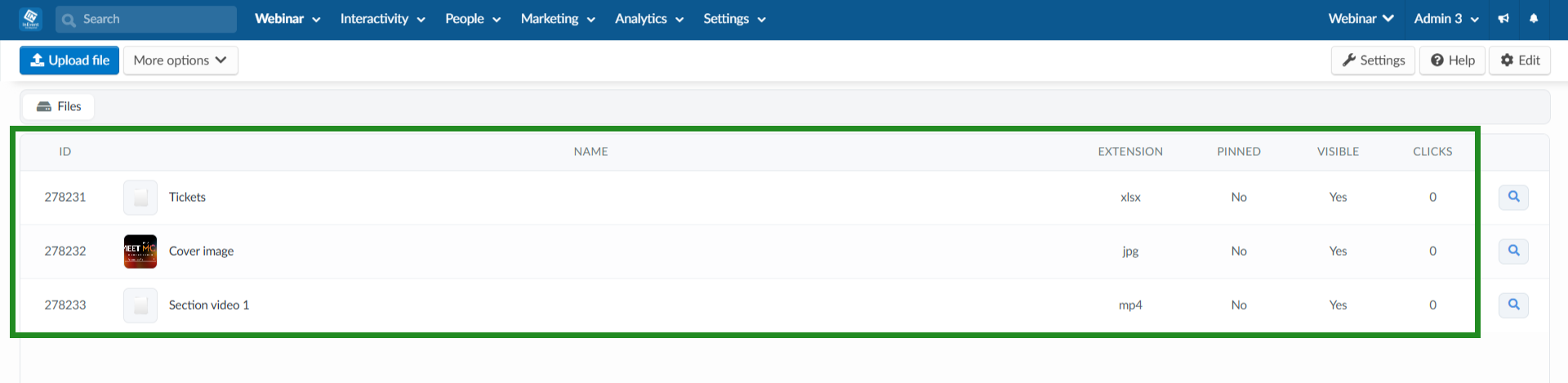
Once your file is uploaded and created, a new icon will be added to the Files interface with the file name, format, pinned status, visibility status, and click count, as shown below:
Webinar files: Uploading a zip file
You can upload compressed zip files into the Files tab as well. To do so, complete the following steps:
- Click the More Options drop-down in the top-left of the page.
- Press Upload zip.
- Press Import. It will upload the file.
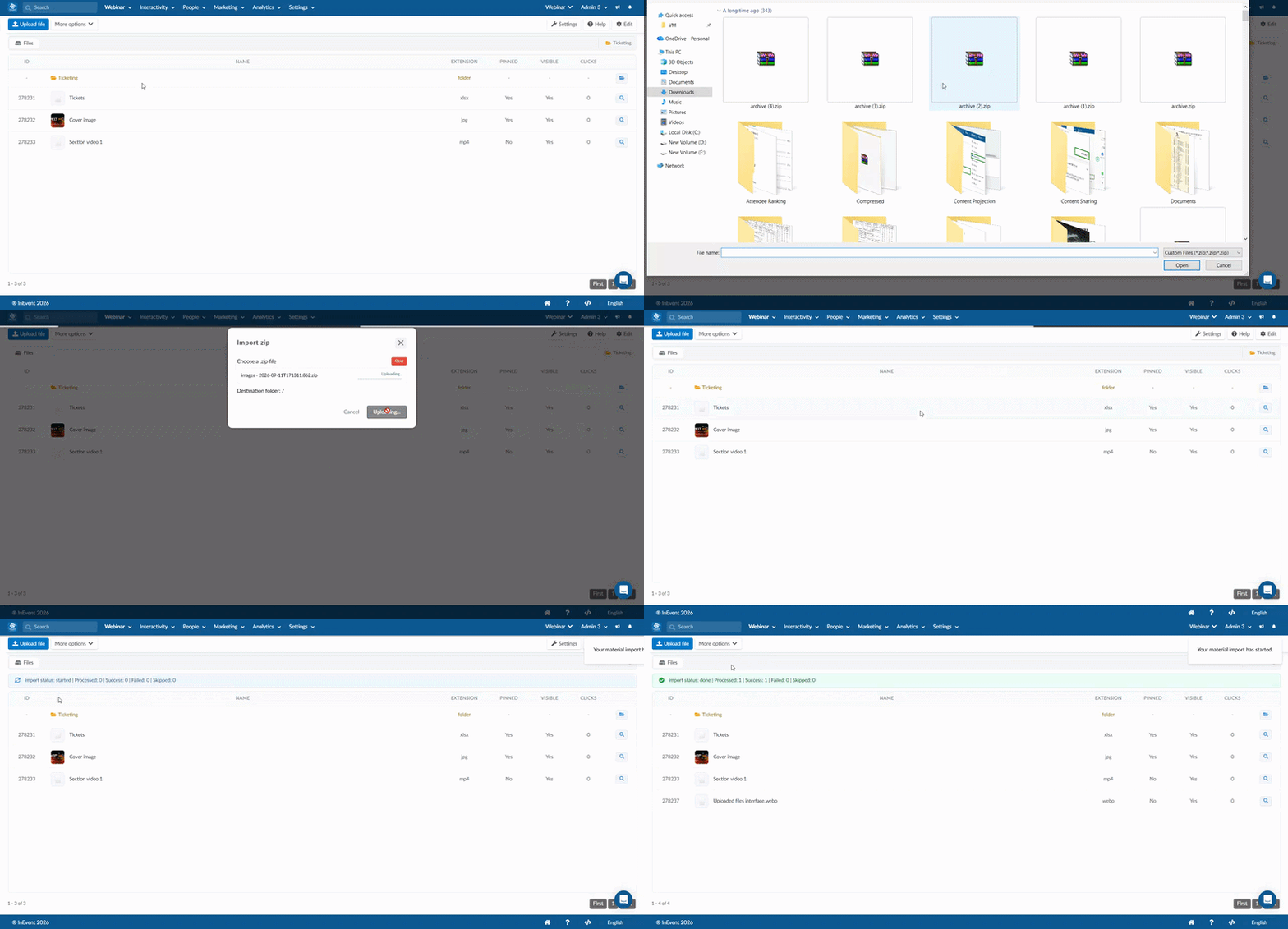
.zip are supported.Webinar files: Creating folders in the Files tab
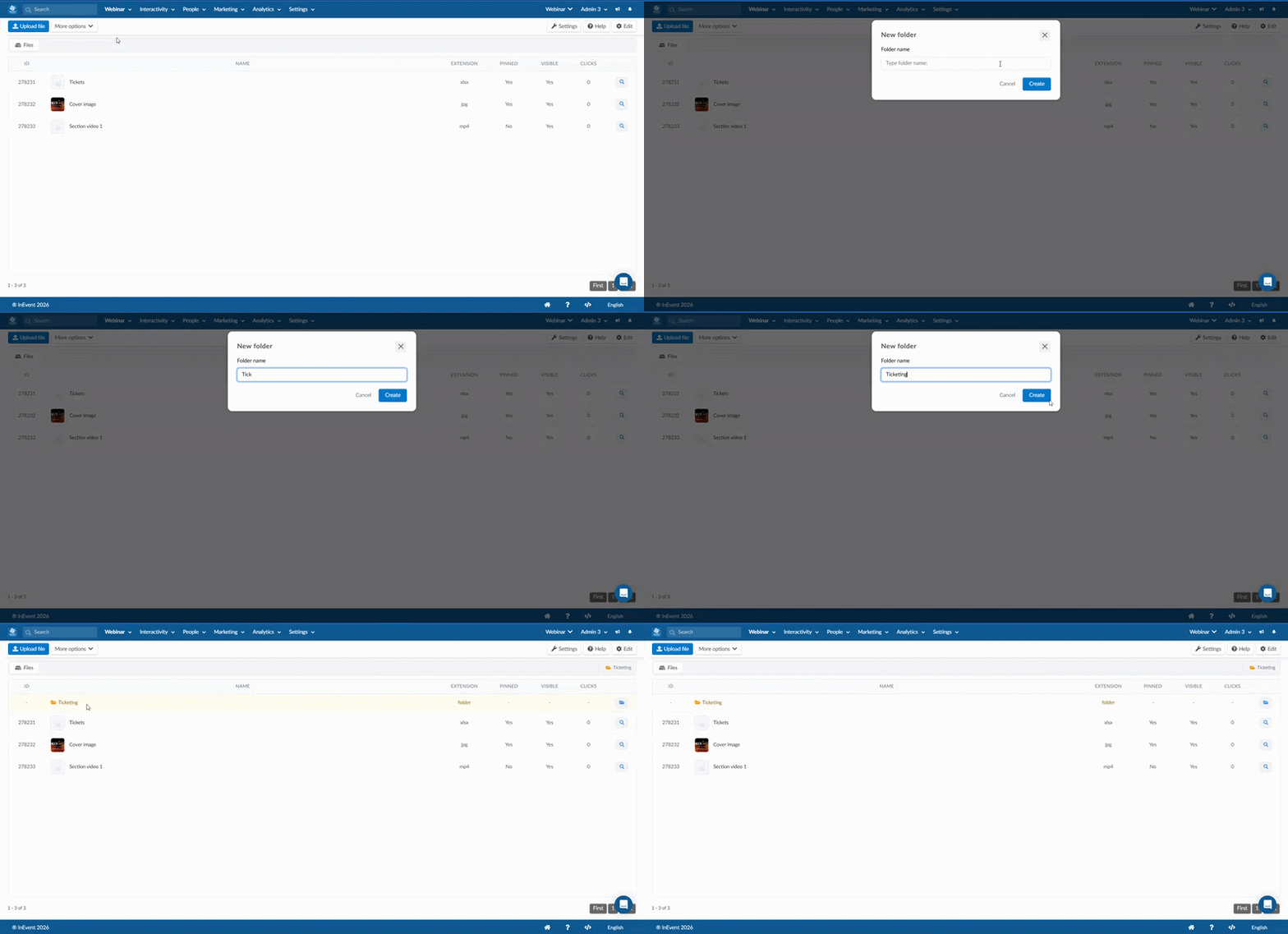
You can create folders in the Files tab for better organization. To do so, complete the following steps:
- Click the More Options drop-down in the top-left of the page.
- Press New folder.
- Name your folder. Then press Create.
You should have a new folder now that can be used to organize your webinar content.
Uploading files to the Live Stream
Webinar organizers can easily upload a file to a specific Live Stream. To do so, complete the following steps:
- Navigate to Webinar > Live Stream.
- Click Files.
- Click Edit.
- Press the red button to open the file selector.
- Select your file. The file upload will automatically begin. Once the upload process is finished, you will be prompted to enter a file name.
- Enter your file name in the Create file pop-up box.
- Press Create to finish uploading and creating your file.
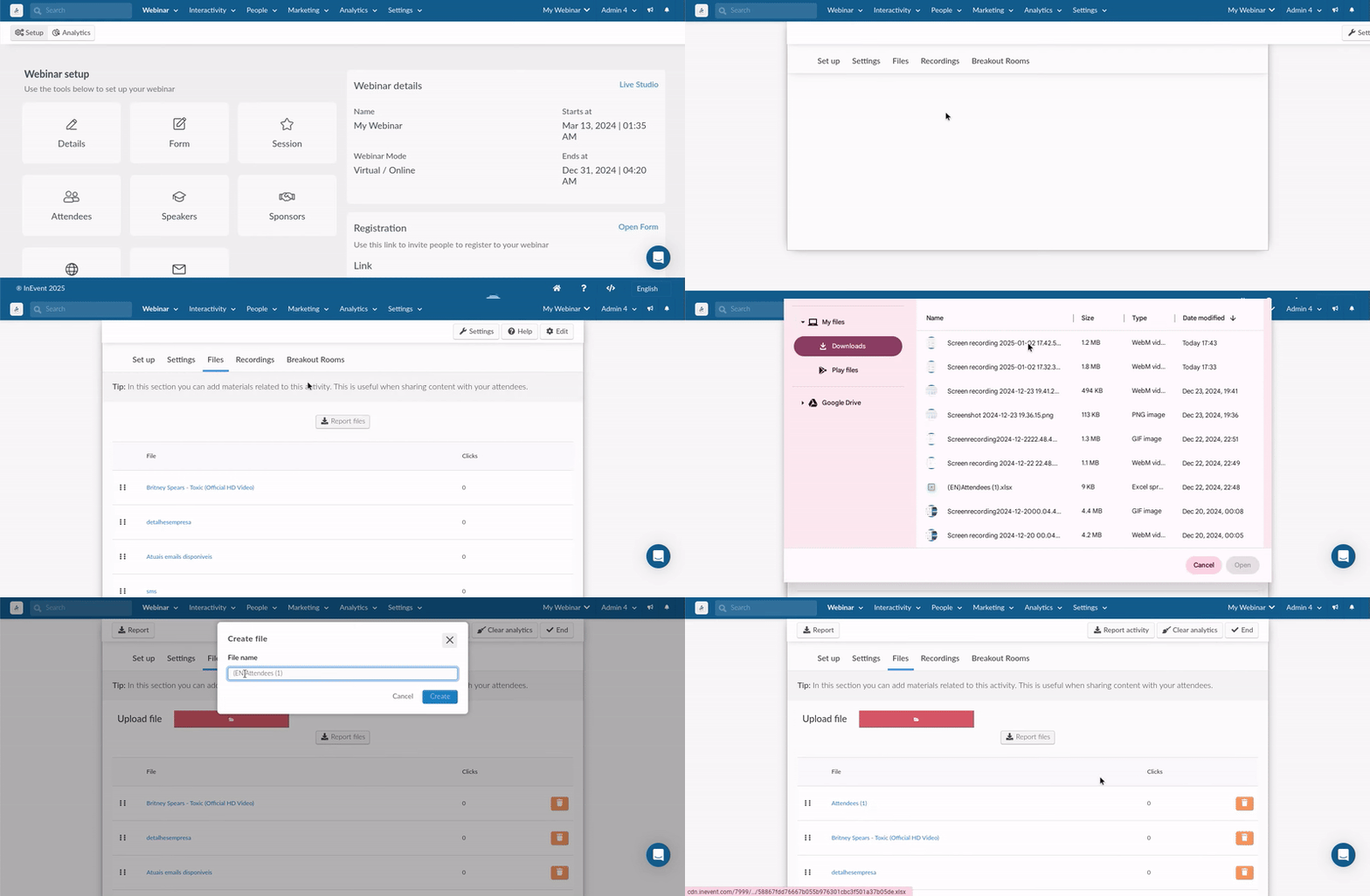
The newly uploaded file will be visible to the attendees to preview and download from the Live Stream's Files tab.
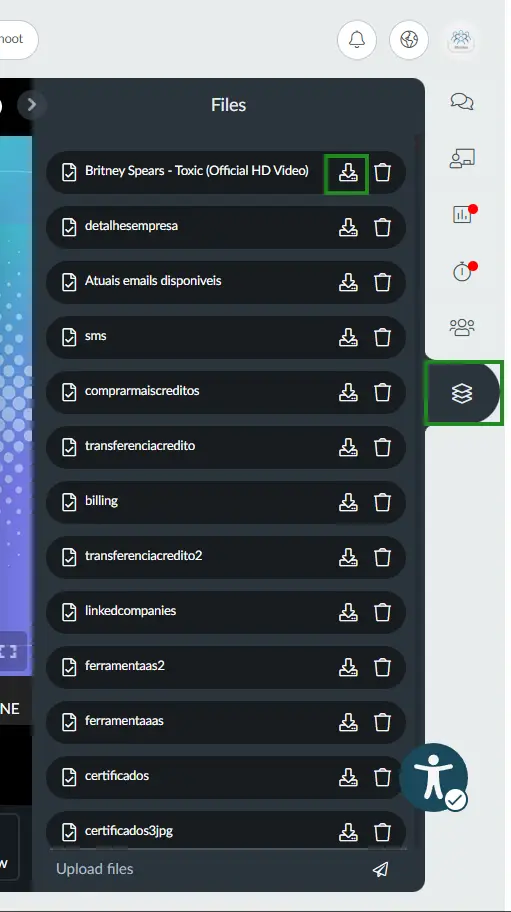
Uploading files inside the Live Stream
If you are an Admin, Staff, or Presenter, you will be able to upload files directly inside the Live Stream.
To upload a file directly from a Live Stream, follow the instructions below:
- Navigate to the Files tab from a Live Stream.
- Click the Upload files.
- Select your file.
- Press the paper plane button to Send and upload your file. A pop-up box will appear.
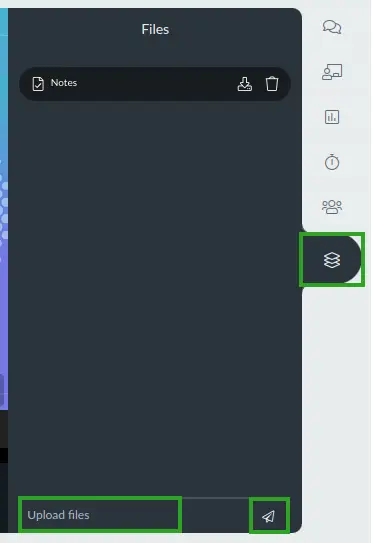
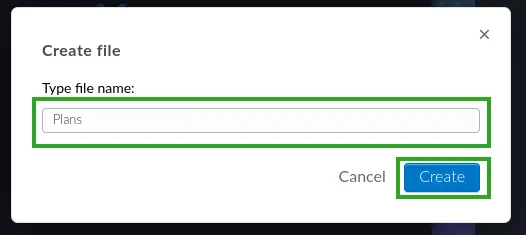
- Enter your file name in the Type file name field.
- Press Create to finish uploading and creating your file.
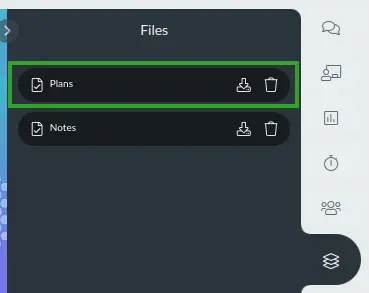
Once your file is uploaded and created, it will be visible from the Files tab in the Live Session, as shown below:
Uploading files from My Files page
If you are an Admin, Staff, or Presenter, you will be able to upload files directly from the My Files page. To upload files, follow the instruction below:
- Navigate to My Files from the Attendee Center.
- Click the Upload Files button. A pop-up box will appear.
- Click to upload to open the file selector, or drag & drop your files from a file explorer into the Upload a file box.
- Click Next to start uploading your file. Once your file is uploaded, you will be prompted to link your files to a session.
- Use the Select a session type drop-down menu to choose the file's destination: Event/Webinar, Exhibitors, Sponsors, or Activities.
- Use the Session name drop-down to choose the Webinar Live stream, Sponsor or Exhibitor room, based on the session type chosen.
- Press Upload files to finish uploading and creating your file.

The newly uploaded file will immediately be visible from the My Files page and the Live Session.
Deleting a shared file
Deleting InEvent Webinar files
To delete a shared file, follow these steps:
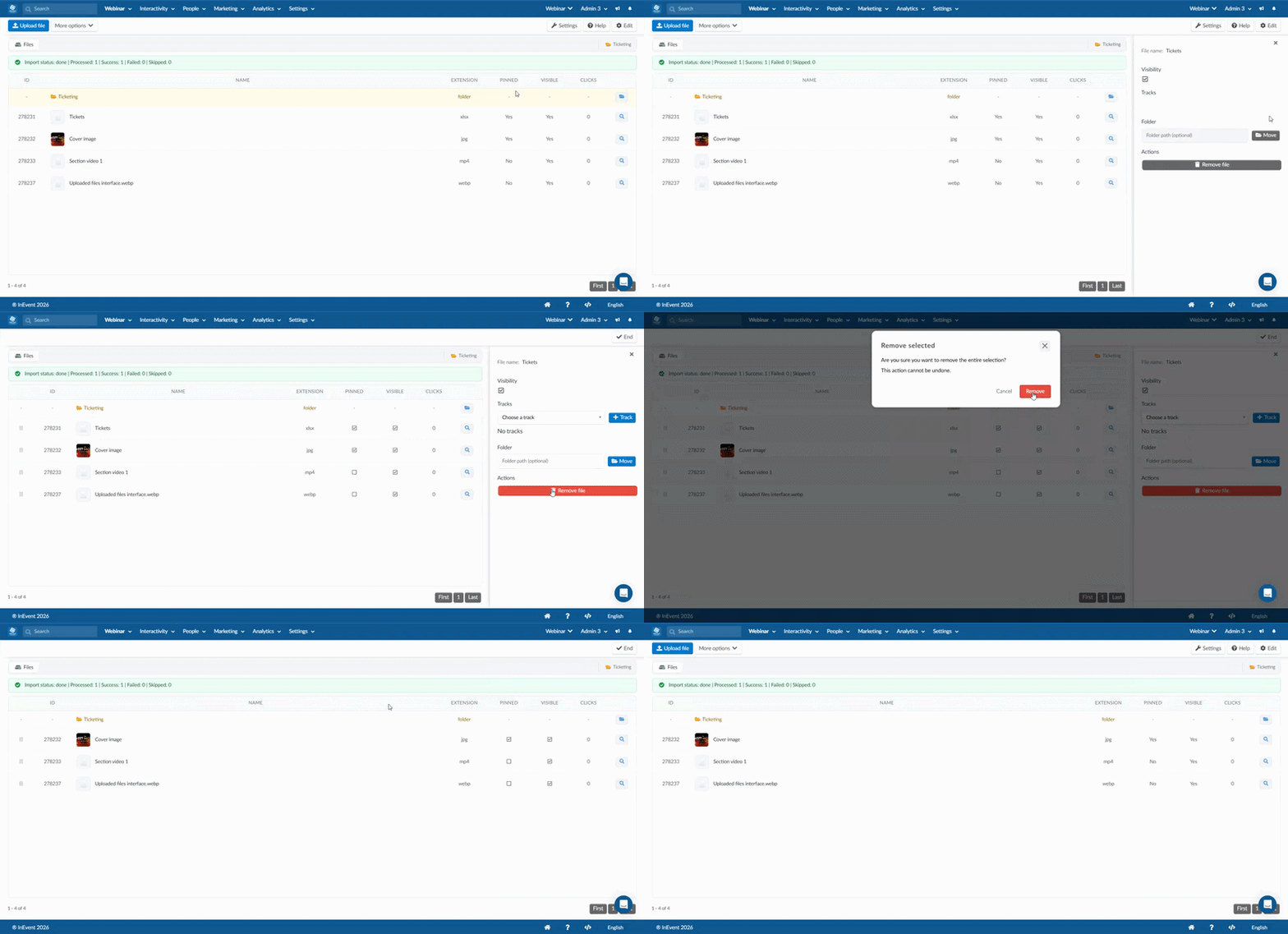
- Navigate to Webinar > Files.
- Click on the magnifying glass icon corresponding to the file you wish to delete. This will open a file details window on the right side of the screen.
- Click on Edit and then the Remove file button.
- A new pop-up window will appear, prompting you to confirm removal. Click Remove to finish.
Deleting files from the Live Stream page on the platform
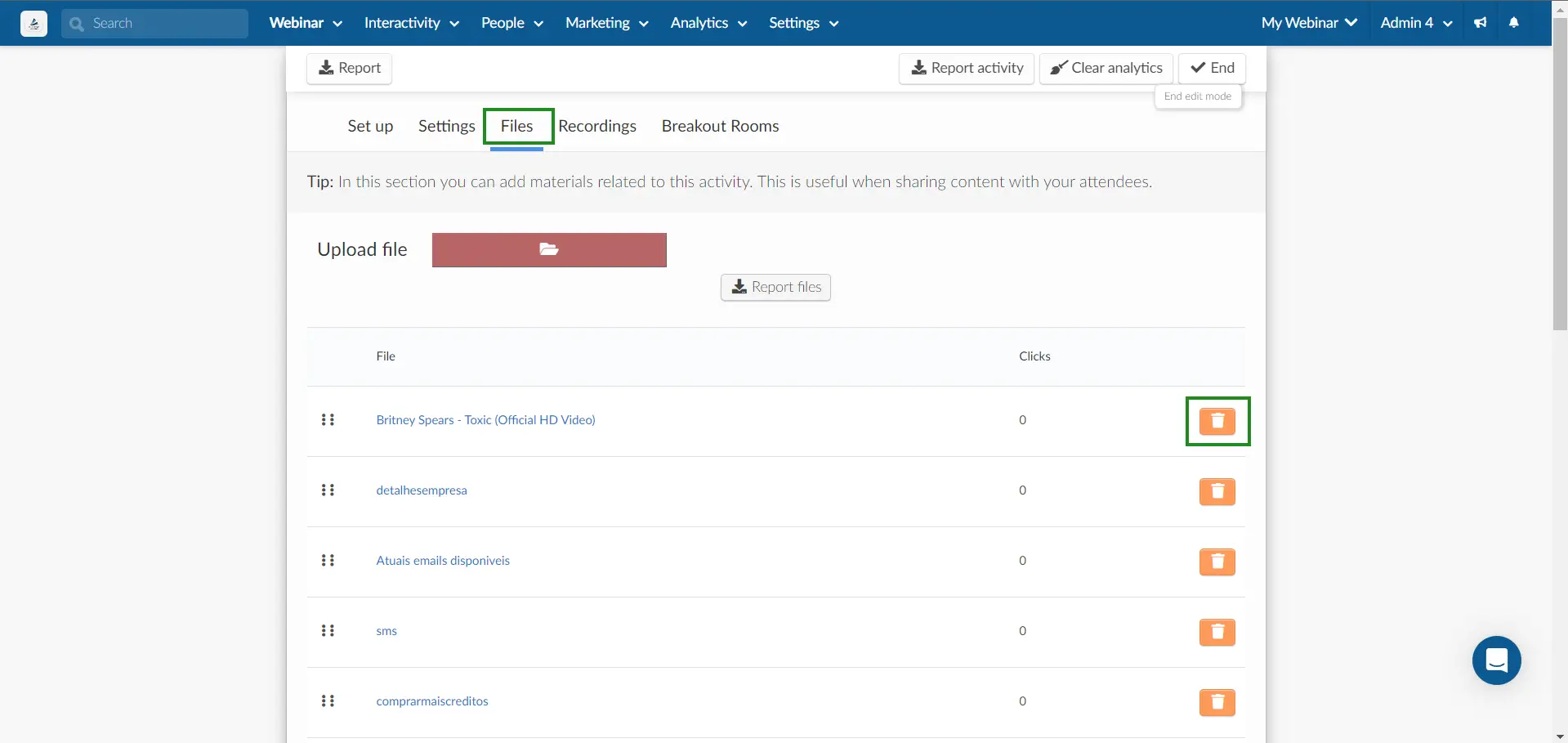
To delete a file from the Live Stream, go to Webinar > Live Stream > Files and then in the right side corner press Edit.
You should see an orange button with a trash icon close to each file you have updated. Click on it to delete the file from the Live Stream.
Deleting files during the Live Stream
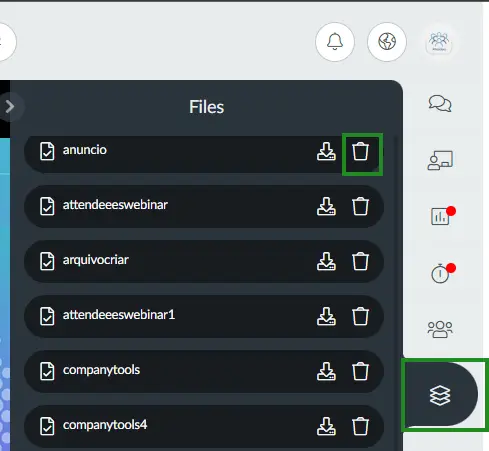
If you are an Admin, Staff, Presenter or Linked Speaker (to the specific activity), you can delete files inside an activity. To do this, simply click on the File tab on the right-hand side and press the trash icon beside the file you want to remove.
Viewing files
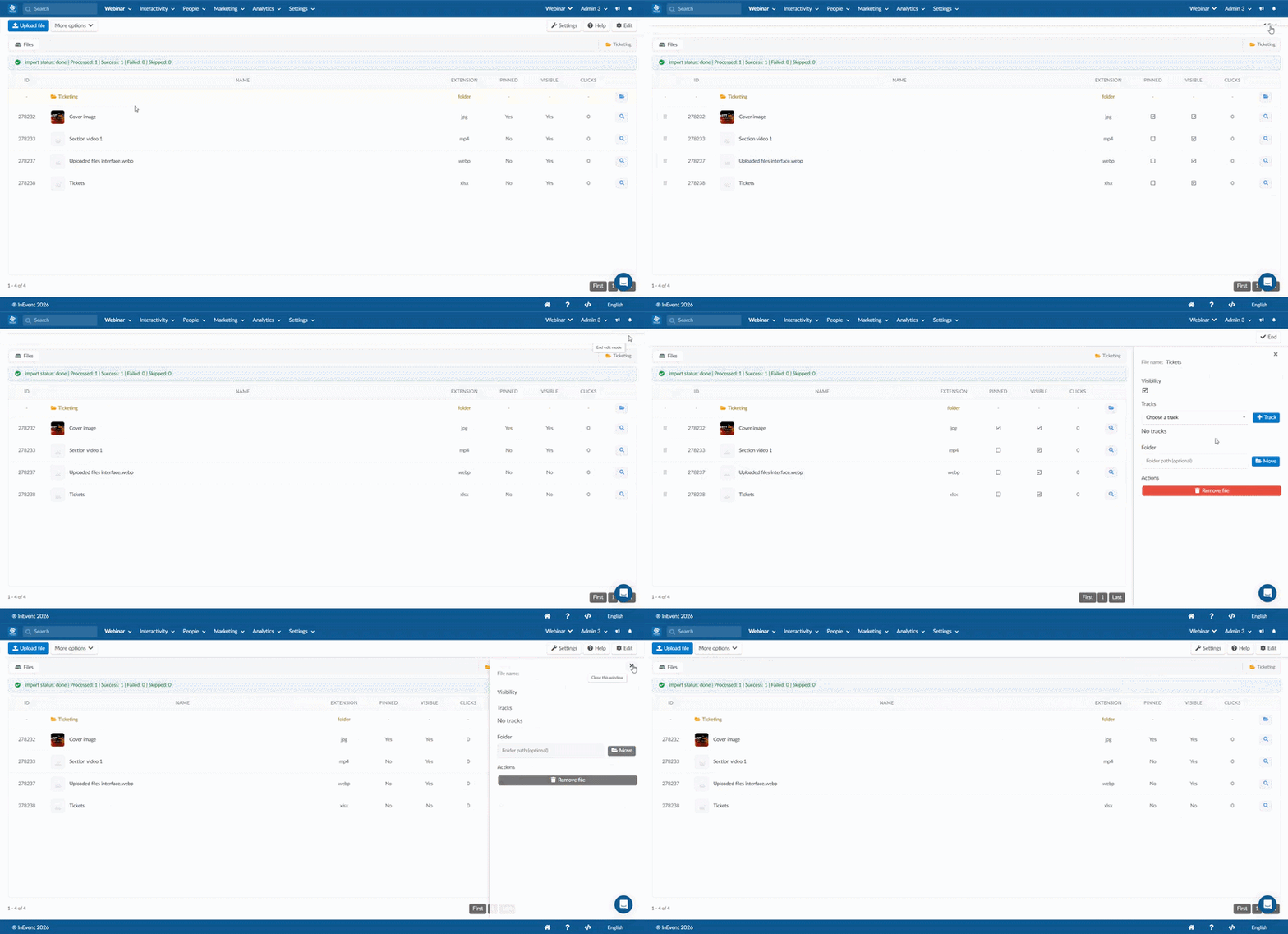
When you upload files for the entire InEvent Webinar, you will have the possibility to choose their visibility. To edit the visibility status, follow these steps:
- Click on Edit
- Click the visibility check box corresponding to the file you wish to edit or,
- Click on the magnifying glass corresponding to the file you wish to edit. This will open the file detail card on the right side of the screen.
- Click Edit and check the visibility box according to your requirement.
Viewing files in the Live Stream
Inside the Live Stream
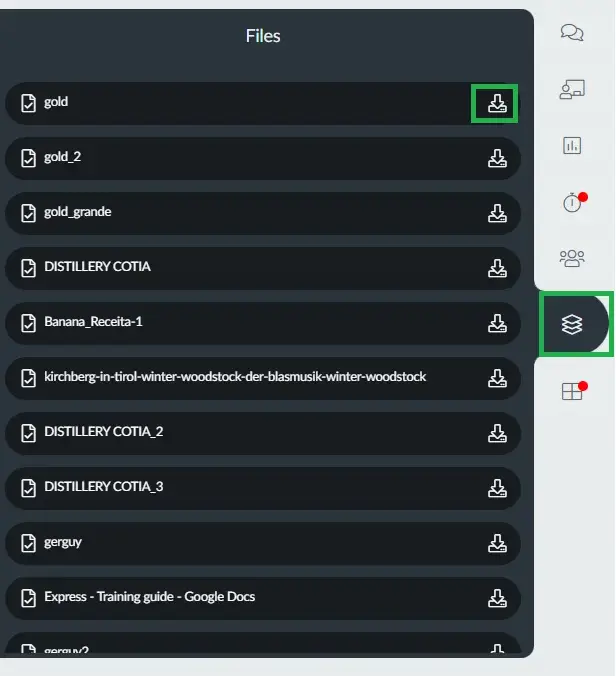
When inside the Live Stream, you should click on the Files tab to visualize all available files. You can click on a file to preview it or download it by pressing the download icon.
My Files
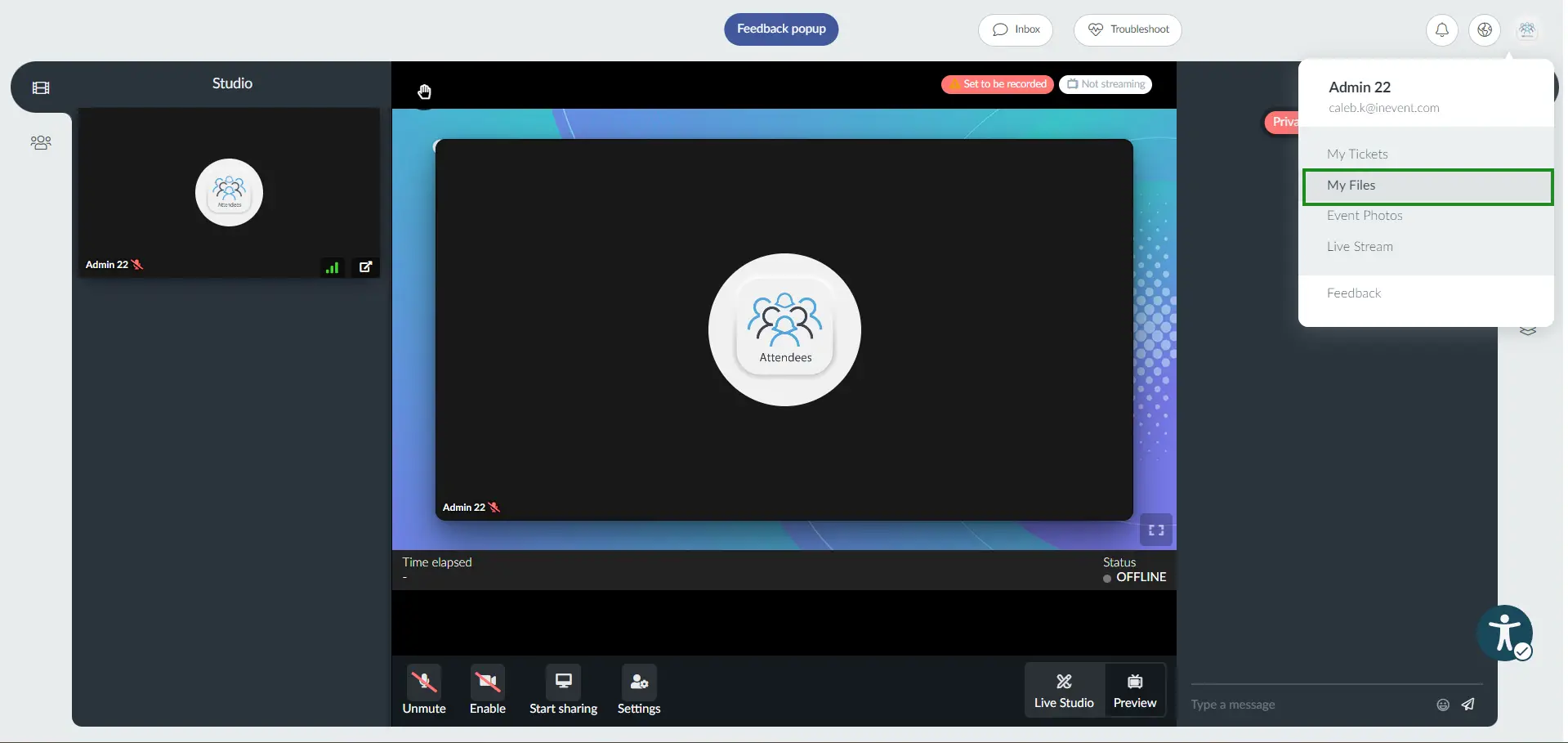
In the Live Stream, you can access the My Files page by clicking on your picture in the upper right corner and then on My Files, as shown below:
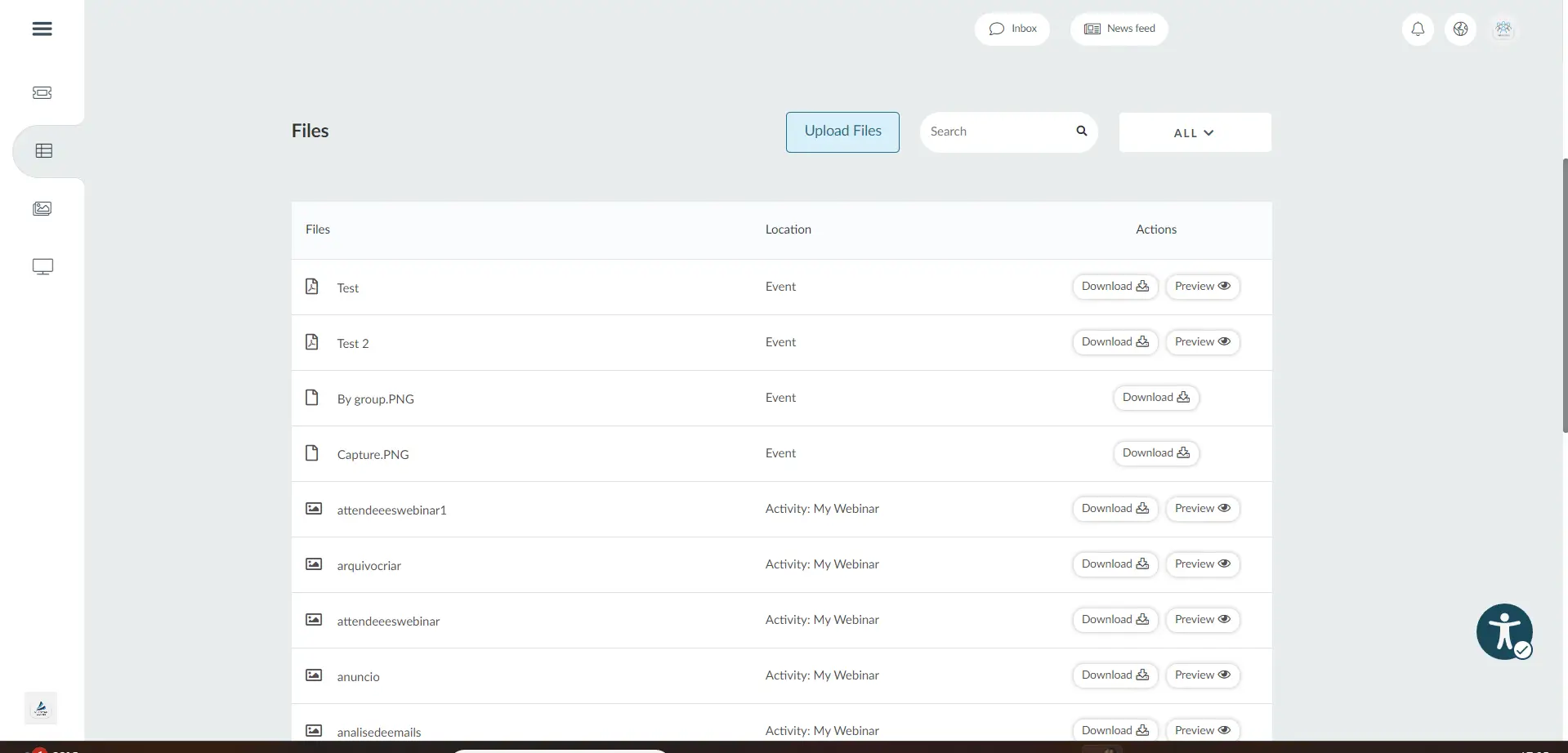
On this page, all InEvent Webinar files will be listed, including their location (to which room this file has been added) and the option to either preview it or download it.
Generating reports of Live Stream files
If you wish to generate a report on the Live Stream files, you should select Live Stream > Files > Report files.
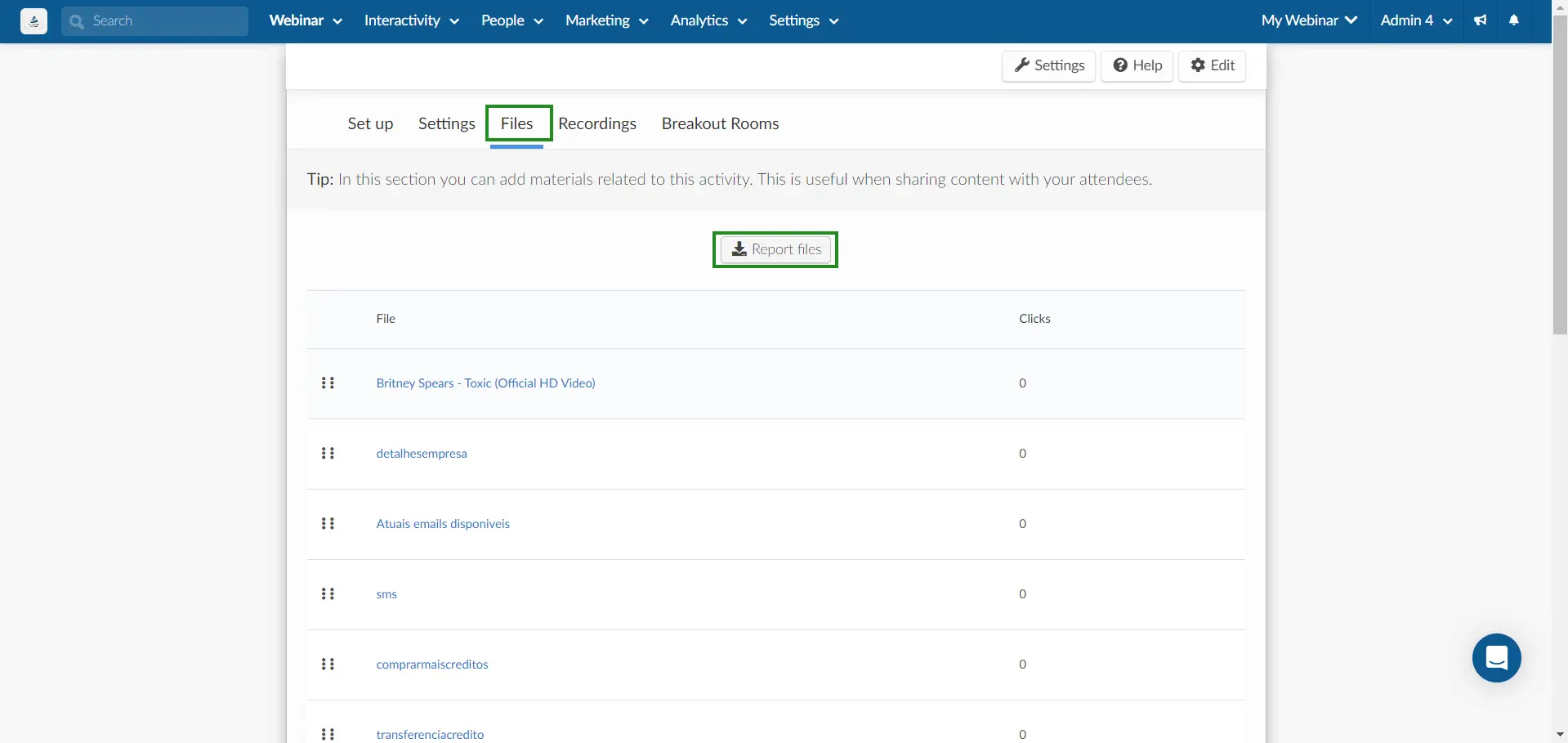
Once you click the button, a message will appear at the top of the screen, notifying you that you will receive the file with the data in your email when the process is complete.
The spreadsheet will cover categories such as who viewed the file and how many clicks it got, the file URL, the first click date, among other data.
